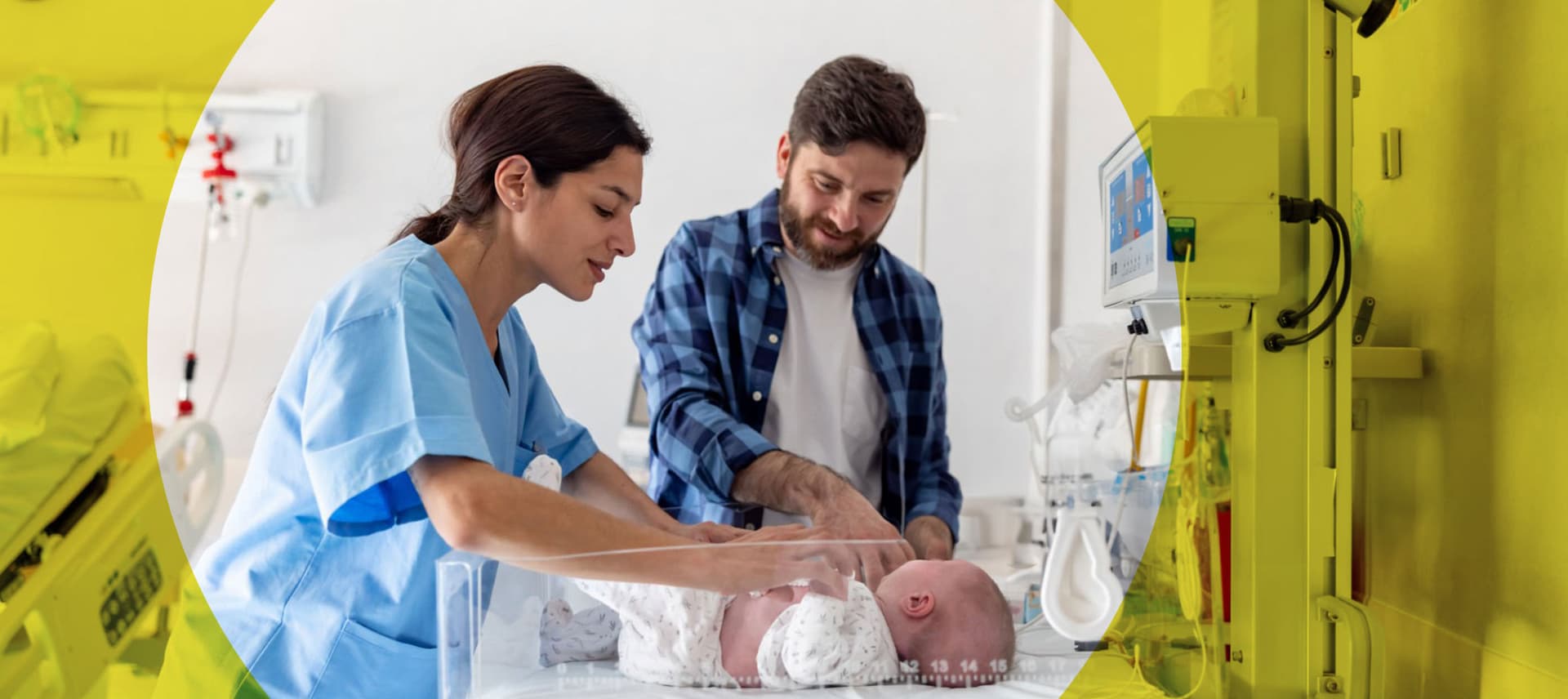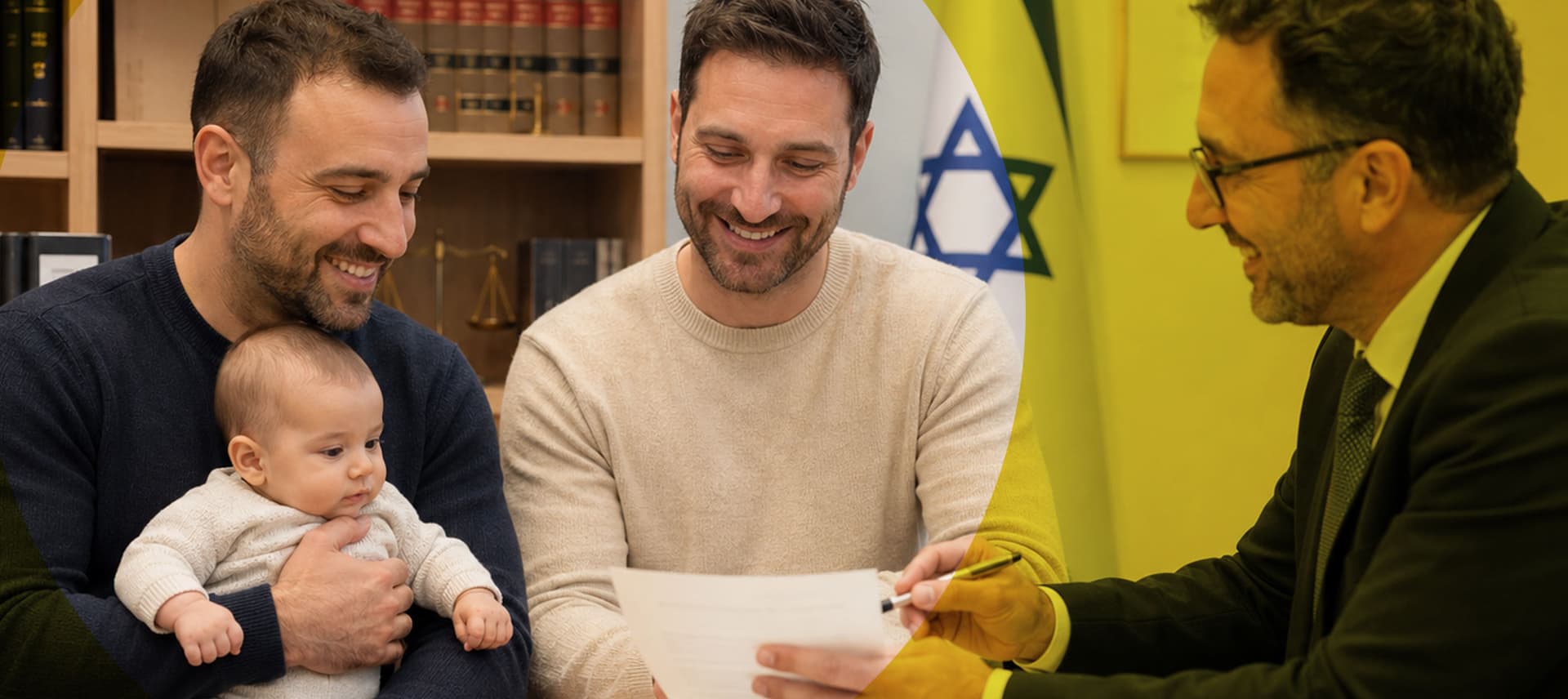

"When do we tell them?" – a question many parents ask me, sometimes before there's even a "them". And my answer always surprises: you don't wait for the big moment. You start from day one. Yes, even when the baby is a week old and doesn't understand a word.
Why? Because research and the experience of many families show the same thing: children who grow up with their birth story as a natural part of life simply never have a "discovery moment". No dramatic living-room sit-down at age 12, no sense of a secret kept from them. There's a story they've known forever, the way other kids know which hospital they were born in. The secret isn't in the content – the secret is that there is no secret.
What does it look like in practice? From zero to three, it's mostly for you: telling the story out loud, practicing the words, building your family's version. "We wanted you so much, and we needed help. A kind-hearted woman kept you safe in her belly until you were ready to come to us." Simple, warm, true. In preschool years come the children's books – there's a lovely selection today about surrogacy families (I've gathered some on the books page of this site), and they do the most important job: showing your child their story isn't strange – it's simply theirs.
Then come the questions – in waves, by age. At four: "Was I in your belly?". At seven: "So is Stephanie my mom?". In adolescence: questions about genetics, the donor, identity. The rule that worked for us: answer what was asked, at eye level, without flooding beyond it. A child asking "whose belly was I in?" wants a one-sentence answer, not a lecture on IVF. For two dads, my approach has always been to tell the children everything from the beginning, so their genetic connection to one father is simply part of their story, not a surprise later on. Otherwise, they may hear comments from others about who they resemble or face questions in front of them, which can create unnecessary confusion. Be open, share the story, and use it as an opportunity to teach both your children and those around you what is appropriate to ask.
Most importantly – your tone is the story. If you tell it with pride and a smile, that's what your child absorbs. If you stammer and lower your voice, they absorb that something here is embarrassing. Our children's story is a story of extraordinary love – years of effort, good people across the ocean, and a family built with great intention. That's a story you tell out loud.
My tip: start creating your child's "story book" now, during the journey – photos of the surrogate, the appointments, the day you met. Such an album turns the abstract story into something your child can hold, and it will become one of the most precious objects in your home – and later, it will serve you on every "Family Day" at kindergarten or school as an opportunity to tell the other children your family's story.