
Medical & embryos
IVF, grading, genetics and what the odds actually mean.
34 articles
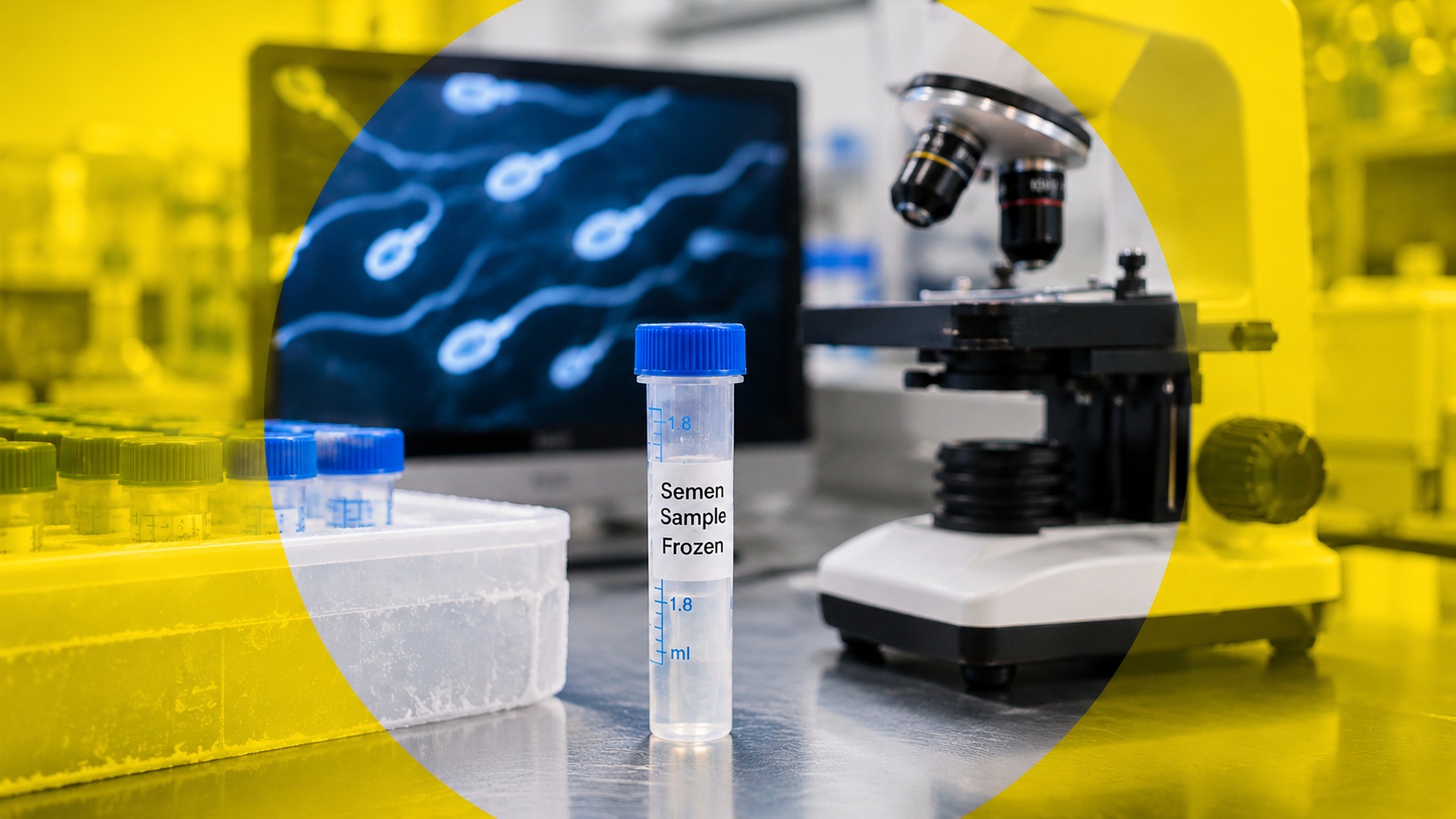
The tests before your sperm freeze — what you can complete before the clinic
The test panel every clinic requires before a sperm freeze: what's checked, why the FDA is in the picture, and what happens at the freeze itself.
The embryo results email is here — how to read it without panicking
Euploid, mosaic, 4AA — what does it all mean? A short guide to reading the report your clinic sends after PGT-A testing.
Improving sperm quality before you start — a window worth using
A sperm cell takes about two to three months to form — what you do today shows up in your sample. What actually helps, and what to check if the numbers are low.

Gay Dads' Guide to Being in the Delivery Room with Your Surrogate
Due date is coming closer, and if you're about to join your surrogate in the delivery room, you’re probably feeling a mix of excitement and
Why Consider Genetic Testing Before Creating Embryos with an Egg Donor?
When it comes to starting a family through surrogacy and using an egg donor, there's a lot to think about. One important consideration is ge

Intended Parent Anxiety – Surviving a Pregnancy Happening 10,000 km Away
Everyone looks after the surrogate – but who looks after you? On intended-parent anxiety, and the three things that actually help.

Vaccinations – During Pregnancy and for Your Newborn in the U.S.: What Differs From Israel and What to Agree in Advance
What a newborn gets at a U.S. hospital by default, how the vaccine schedules differ, and what to put in the birth plan.

When the Pregnancy Doesn't Hold – On Loss in a Surrogacy Journey, and the Way Forward
On failed transfers and pregnancy loss – the grief you're allowed to feel, the one message to send your surrogate, and the way forward.

Medical Decisions From Afar – You're in Israel, the Doctor Is in Ohio. Who Decides?
Who decides in a pregnancy an ocean away? The principle to understand before signing, and the form most parents don't know exists.
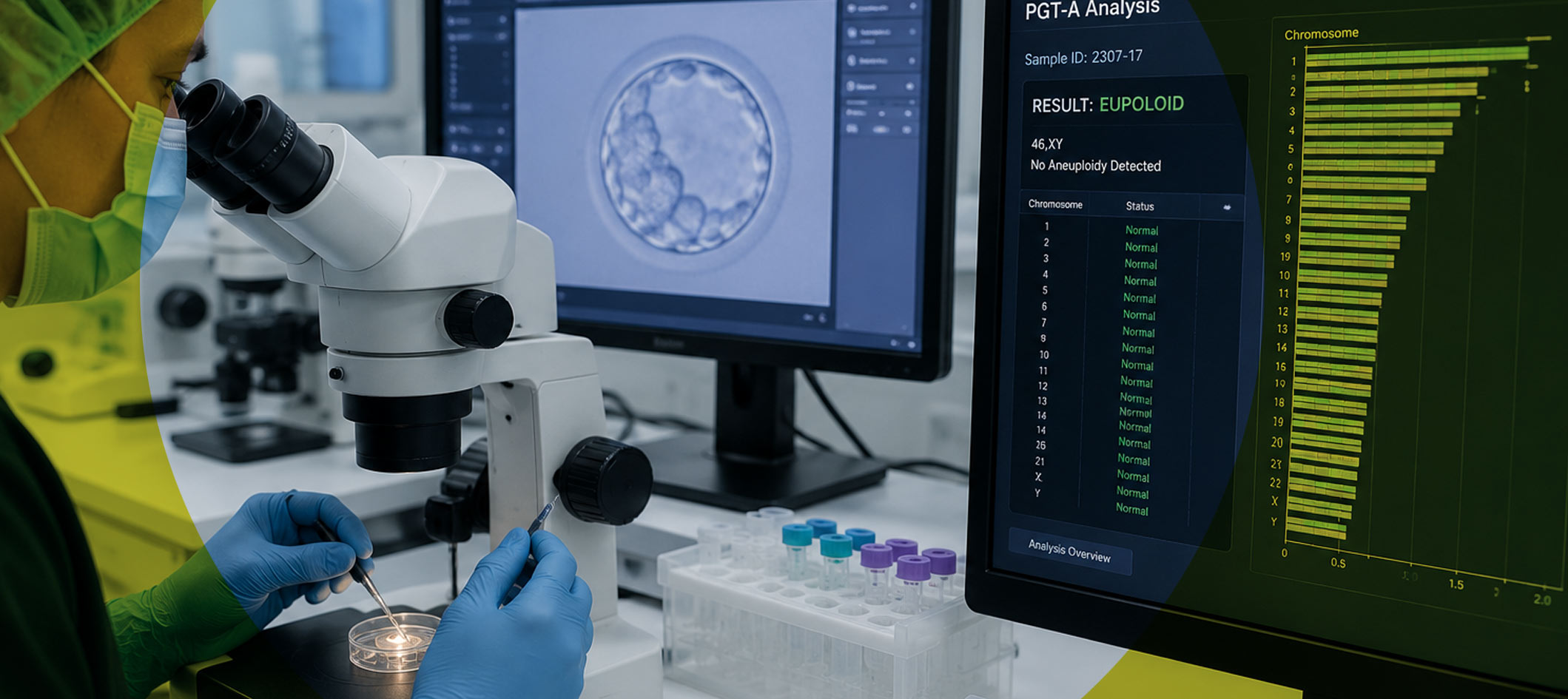
PGT-A Embryo Testing – What It Really Delivers, and When It Matters Less
The test that became almost the default in U.S. surrogacy – what PGT-A checks, what it promises, and when you can actually skip it.

When Your Surrogate Fails Screening – The Restart You Didn't Plan For
The match is cancelled because she didn't pass medical screening? One of the most common scenarios nobody prepares you for – and what to do next.

Transfer One Embryo or Two? The Dilemma Every Couple Faces
When the exciting moment of scheduling the transfer arrives, up pops the question that divides couples, doctors and surrogates: transfer one embryo – or two? On paper, two sounds like a deal: double the odds, maybe even win twins and "complete" the family in one journey. In reality, the picture is very different, and worth knowing before the conversation with your doctor.

How Many Embryos Do You Need Before You Start? The Math of the Odds
One of the hardest questions to get a straight answer to: "We have X embryos – is that enough?" The clinic answers cautiously, the agency says "it depends", and in the groups everyone tells a different story. So let's bring some order to the math – no promises, but with logic.

AI in Embryo Selection – Revolution or Marketing Gimmick?
In my post about embryo grading I described how an embryologist looks at an embryo and gives it a "score" – those mysterious letters and numbers like 4AA that we all learned to decipher during sleepless nights. But in recent years a new player has entered the lab: artificial intelligence. More and more U.S. clinics offer (and sometimes charge extra for) AI systems that scan and rank embryos. So is it a game changer – or mostly an invoice changer?

What does an embryo grading mean?
In a surrogacy process you want everyone around you to be focused on maximizing your chances of a successful embryo implantation and pregnancy, and a healthy birth, with as few attempts as possible.

Warren Buffet’s tip to finding an egg donor
Sounds completely unrelated, right? What does an American millionaire have in common with an egg donor in a surrogacy process?
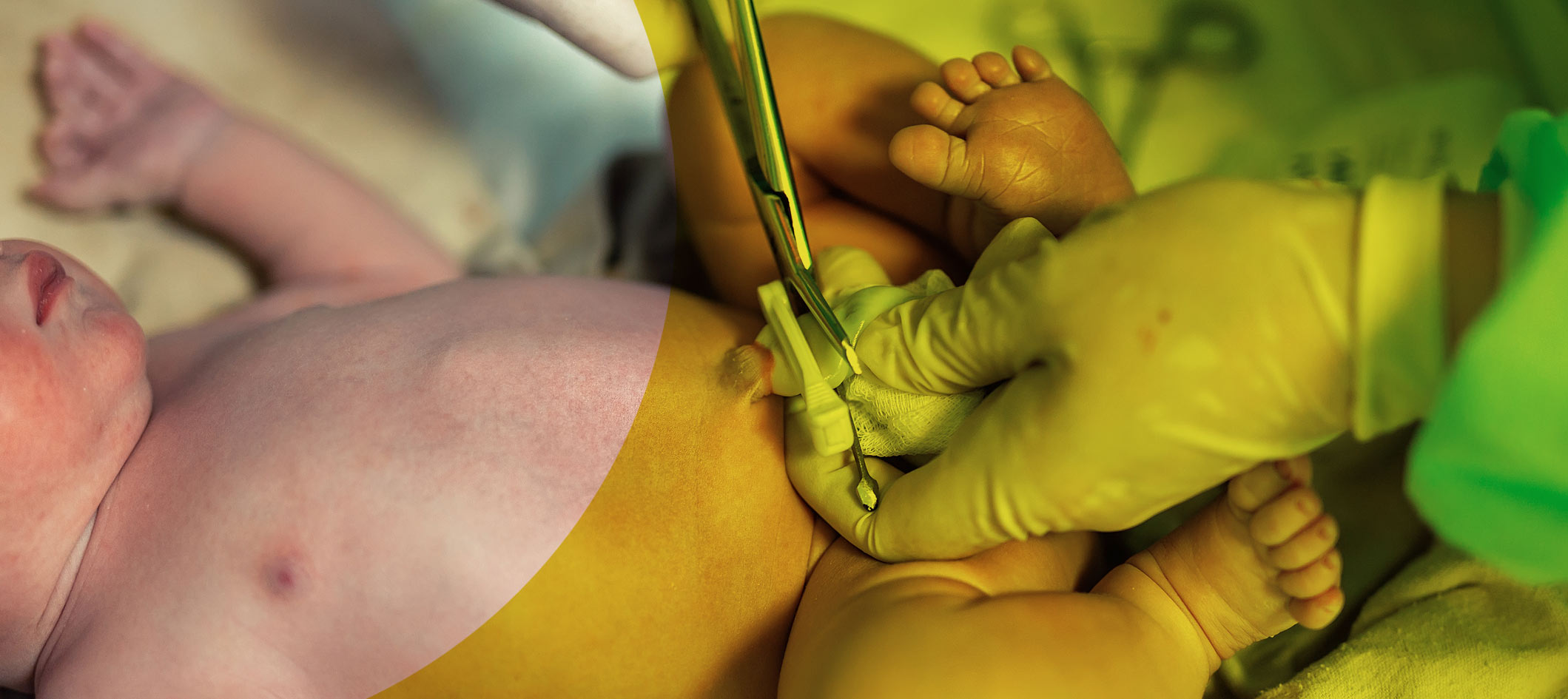
Cord blood - To save or not to save?
Once the baby is born and the umbilical cord is cut, there’s still blood in the vessels of the placenta and the part of the umbilical cord that is still attached to it.

One twin pregnancy from two different fathers
Up until around 2018, many of the gay couple surrogacy processes in the United States culminated in the birth of twins.

How important is the geographical location of the clinic?
The clinic’s location used to be much more important (the parents had to fly to freeze sperm, and the surrogate would get approved for the process only after a series of tests at the clinic).
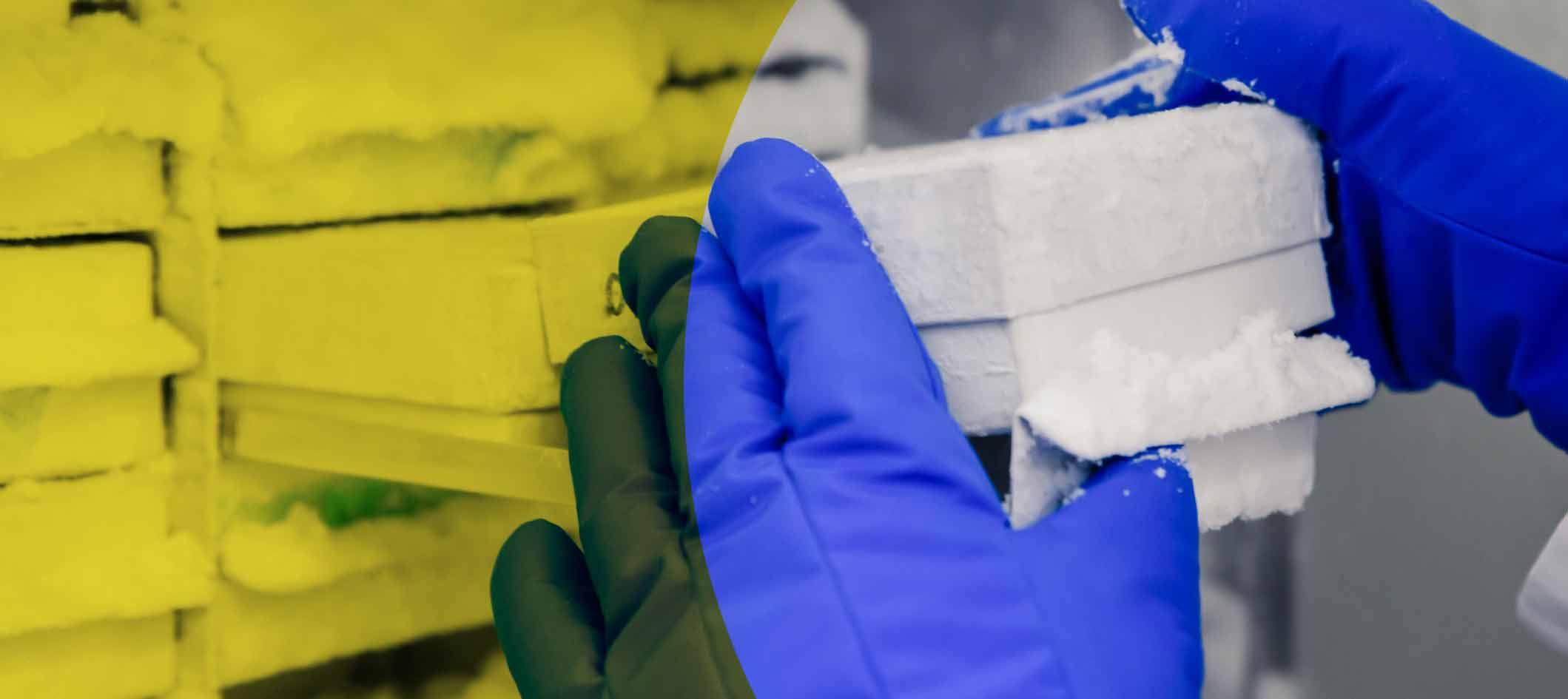
Storing embryos and sperm at the clinic
Your genetic material is kept at the clinic you’ve chosen to work with, and generally if you don’t ask to have it disposed, it will be stored there for years and you’ll have to pay for its storage.

A Jewish Egg Donor
Sometimes I talk with people for whom the most important thing in a donor is that she be Jewish.

Transporting embryos between clinics or switching fertility clinics
What happens if you’ve got embryos in one clinic, and you want to switch to another, whatever the reason would be? I’ve heard this question raised mainly in negative contexts: dissatisfaction with…

What’s the difference between working directly with US providers vs. a local broker agency?
I’ll start by explaining the differences, considering the fact that with the surrogacy process you’ll need a clinic and surrogacy agency in the country where you are undergoing the process.

Living with HIV and surrogacy
A good friend of mine lives with HIV. One of the first things that he had to cope with at the age of 25 when he found out, was the realization that he would never be a father.

Medical tests before embarking on the process
All parties involved in the process of creating the embryos and carrying the pregnancy will undergo a series of medical tests, and in our case, the men will undergo a sperm count.

A surrogate who is also the egg donor
In the vast majority of modern surrogacy processes, the surrogate will not be the egg donor, and she will not share genetics with the baby.

An egg donor and a surrogate - why both and what are the differences?
In the vast majority of cases, there will be two different main figures in the surrogacy process:

American agency versus a clinic - what’s the difference and do you need them both?
You’ll encounter many providers during the surrogacy process, some local in your country and some abroad, but there are two main professional providers:

Preliminary sperm tests
You will need to conduct a sperm analysis and count test before you start the process, before you’ve even frozen and sent sperm to the clinic and definitely if you decided to fly for a visit.

Is there a chance that the embryo won’t implant after transfer? What do you do if that happens?
The answer is unequivocally - yes. Even in clinics with high success rates there is always a chance that the embryo won’t implant in the first embryo transfer.

Will we have contact with the egg donor? Will she have any connection to the child?
The connection to your egg donor is a possible option in some of the countries where surrogacy processes take place.
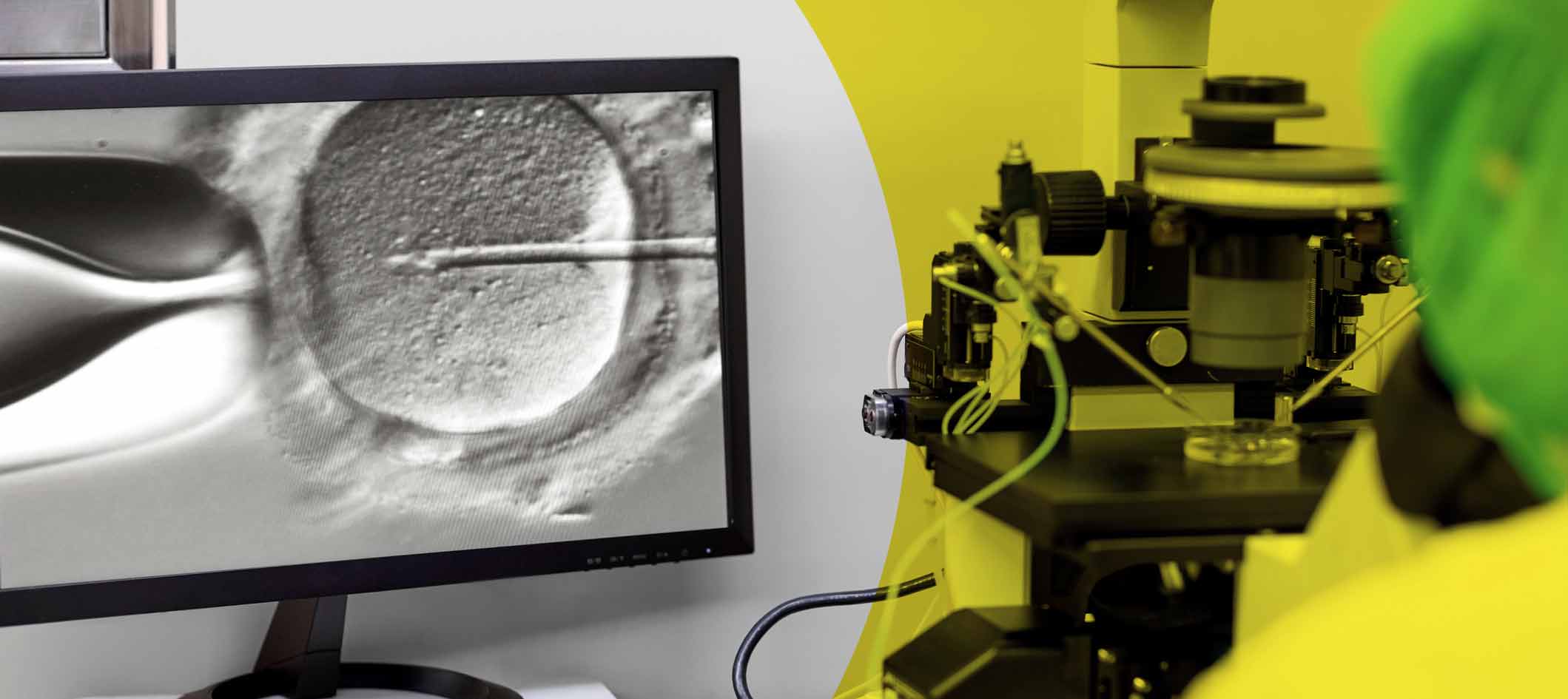
Can you create more embryos with the donor from the first process?
What if you are already a parent, and you’ve decided that the time has come to expand your family, but you don’t have any embryos left over from the first round? Well, short answer - you can…

Genetic tests - what do they test for and how do they compare it with the egg donor?
Genetic tests are an important part of every pregnancy.

First meeting with the egg donor or surrogate
The first meeting or Zoom/Skype call is meant as an introduction, to say hello and create a rapport.